
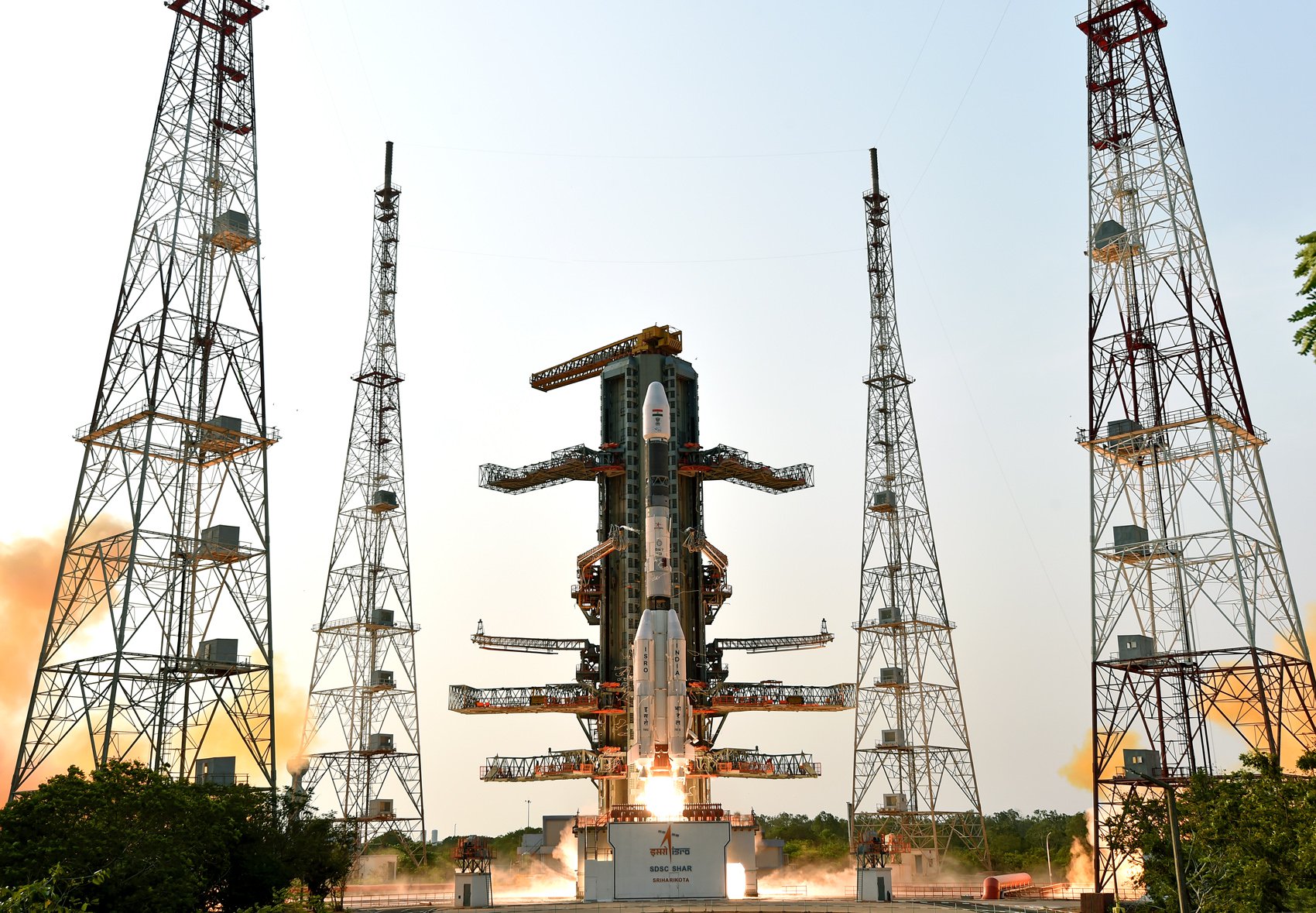
Vergangener Start
GSLV Mk II | NISAR (NASA-ISRO Synthetic Aperture Radar)
Erfolg 30.07.2025, 17:40 (Ortszeit am Startplatz)
The NASA-ISRO Synthetic Aperture Radar, or NISAR satellite, will use advanced radar imaging to map the elevation of Earth's land and ice masses 4 to 6 times a month at resolutions of 5 to 10 meters. It is designed to observe and measure some of the planet's most complex natural processes, including ecosystem disturbances, ice-sheet collapse, and natural hazards such as earthquakes, tsunamis, volcanoes and landslides. Under the terms of the agreement, NASA will provide the mission's L band synthetic aperture radar (SAR), a high-rate telecommunication subsystem for scientific data, GPS receivers, a solid-state recorder, and a payload data subsystem. ISRO will provide the satellite bus, an S band synthetic aperture radar, the launch vehicle, and associated launch services. (Original, deutsche Fassung folgt)
GSLV Mk. II
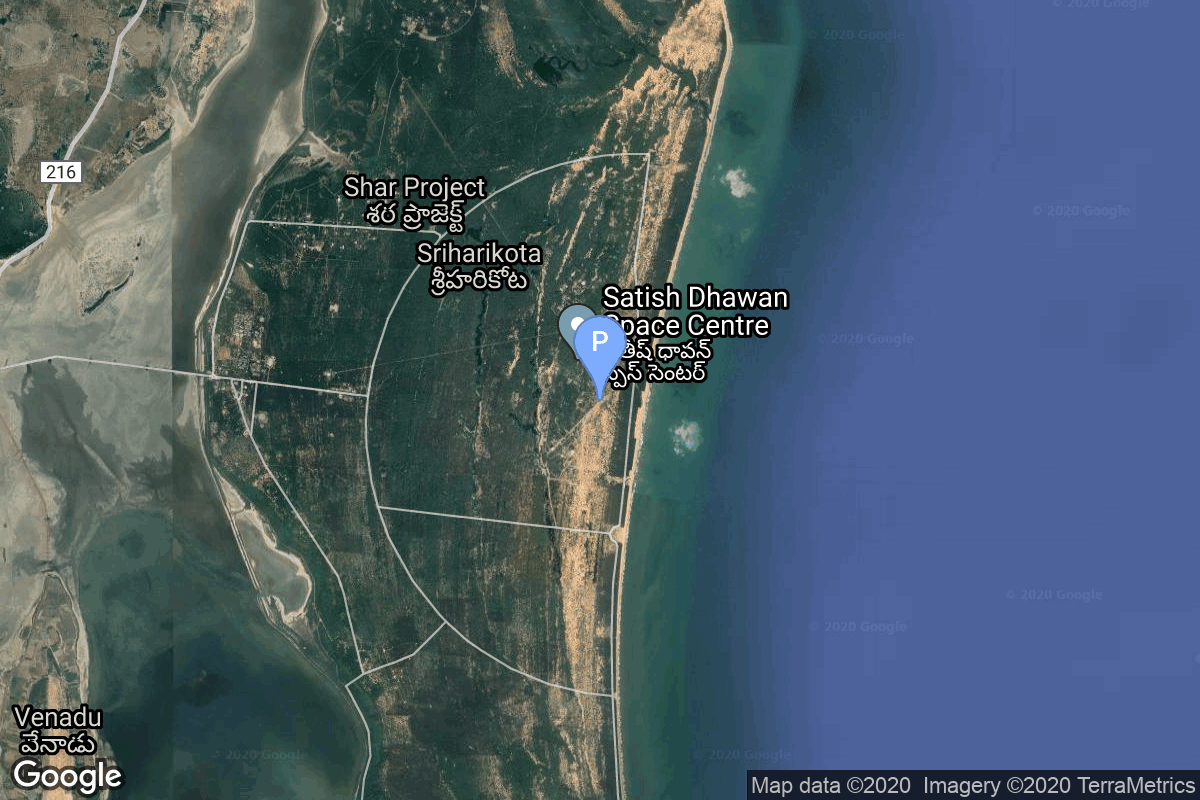 Karte laden (OpenStreetMap)
Kartenvorschau: The Space Devs · Interaktive Karte: OpenStreetMap (laedt erst nach Klick)
- 30.07.2025 Satellite in operation. (Original, deutsche Fassung folgt)
- 30.07.2025 Abtrennung des Raumfahrzeugs.
- 30.07.2025 Abheben.
- 30.07.2025 Offizieller Webcast von NASA hat begonnen.
- 21.07.2025 GO für den Start.
- 04.07.2025 NET July 30. (Original, deutsche Fassung folgt)
- 19.06.2025 NET July 16. (Original, deutsche Fassung folgt)
- 04.06.2025 NET July 5. (Original, deutsche Fassung folgt)
Quelle: Launch Library 2 (The Space Devs)
← Zurueck zum Startkalender · Zum Archiv