
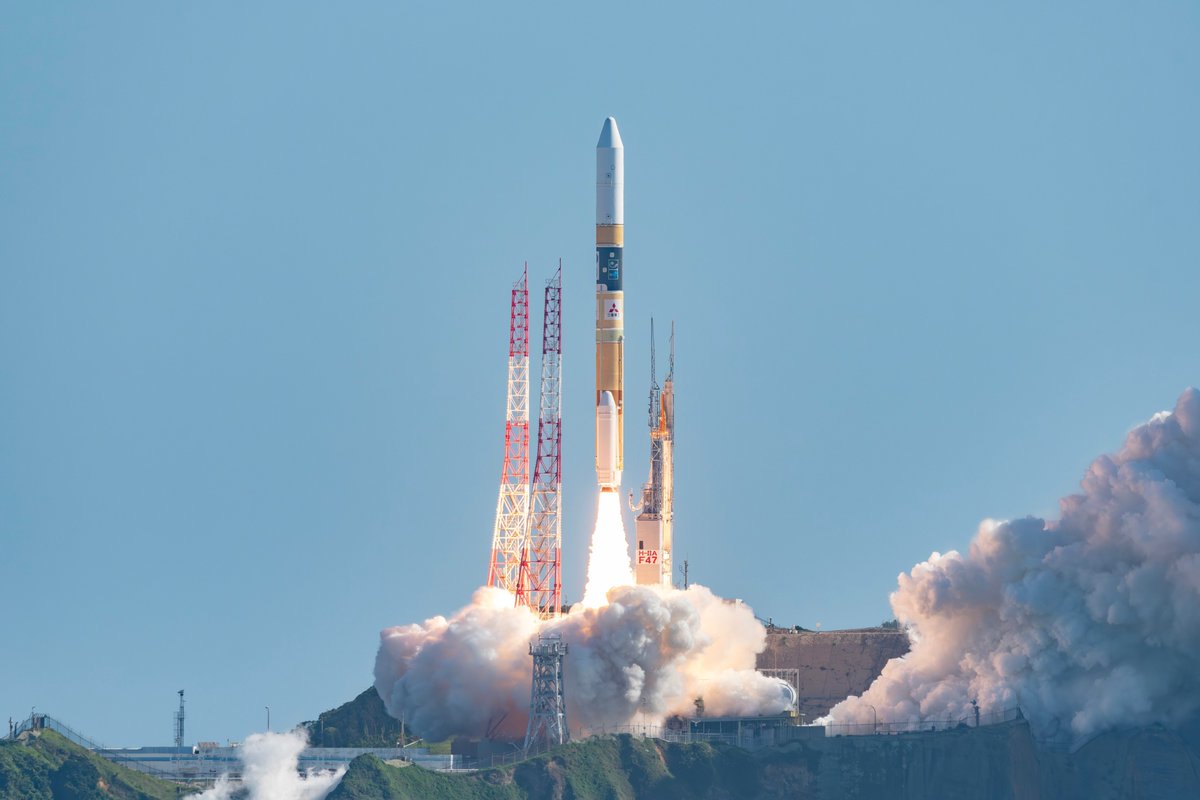
Vergangener Start
H-IIA 202 | GOSAT-GW (Ibuki GW)
Erfolg 29.06.2025, 01:33 (Ortszeit am Startplatz)
GOSAT-GW (Greenhouse Gases Observing Satellite Greenhouse gases and Water cycle), also known as Ibuki GW and formerly known as GOSAT 3, is JAXA's next generation satellite to monitor the greenhosue gases like carbon dioxide in the Earth's atmosphere. It is the follow on to the GOSAT 2 (Ibuki 2) and GCOM-W (Shizuku) missions. GOSAT-GW will have two missions: greenhouse gases observation for Japan's Ministry of the Environment and the National Institute for Environmental Studies (NIES), and water-cycle observation for JAXA. By developing the GOSAT-GW satellite, Mitsubishi Electric will contribute to measures for preventing disasters attributed to global warming and climate change, and to advance scientific and technological methods that enable more accurate prediction of climate change. In December 2013, Mitsubishi Electric (MELCO) was selected as the prime contractor for the spacecraft and the instruments. (Original, deutsche Fassung folgt)
H-IIA 202
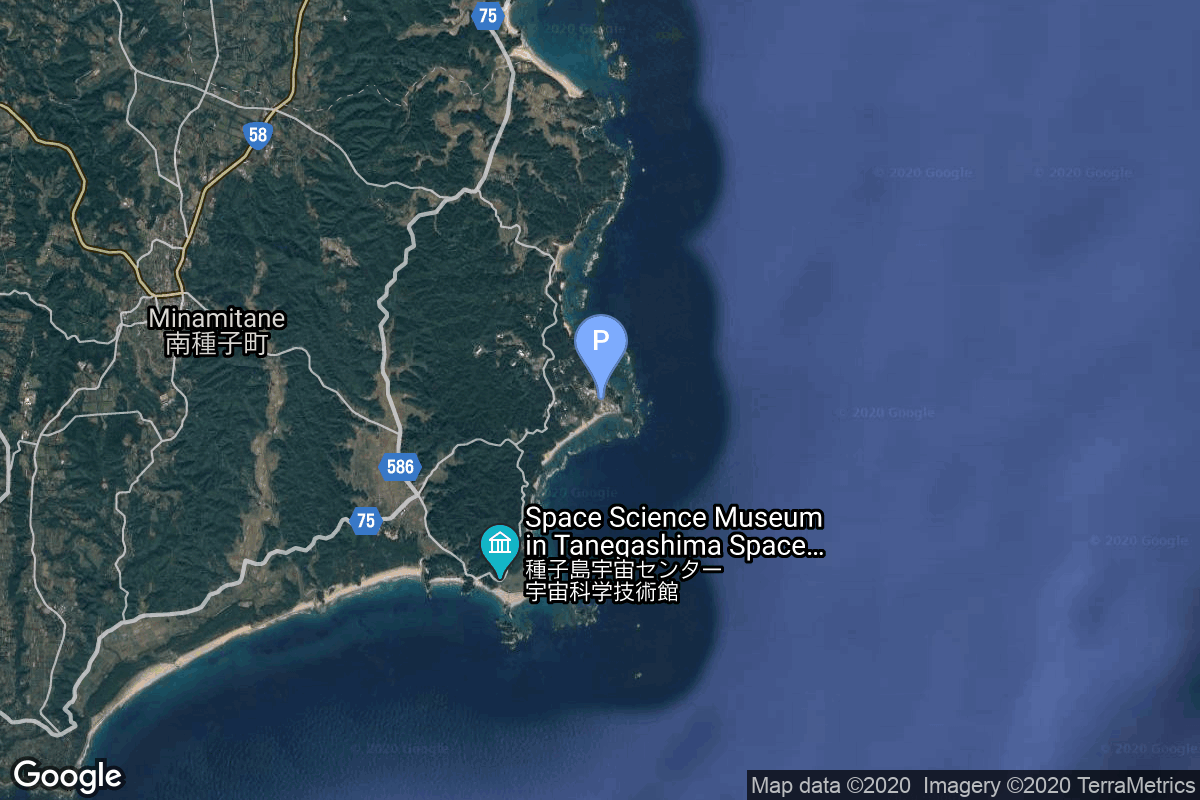 Karte laden (OpenStreetMap)
Kartenvorschau: The Space Devs · Interaktive Karte: OpenStreetMap (laedt erst nach Klick)
- 28.06.2025 Start erfolgreich.
- 28.06.2025 Abtrennung des Raumfahrzeugs.
- 28.06.2025 Abheben.
- 24.06.2025 Rescheduled for June 28 UTC. (Original, deutsche Fassung folgt)
- 19.06.2025 Launch delayed due to 2nd stage electrical system problem; new launch date TBD. (Original, deutsche Fassung folgt)
- 25.04.2025 GO für den Start.
- 23.04.2025 NET June 23 UTC/early morning June 24 JST. (Original, deutsche Fassung folgt)
- 18.03.2025 NET June 2025. (Original, deutsche Fassung folgt)
Quelle: Launch Library 2 (The Space Devs)
← Zurueck zum Startkalender · Zum Archiv